
Hamilton Medical | ICU Ventilator
Medical product design and interface design for Hamilton Medical, informed by research in intensive-care units. Ti undertook the work at Design Continuum.
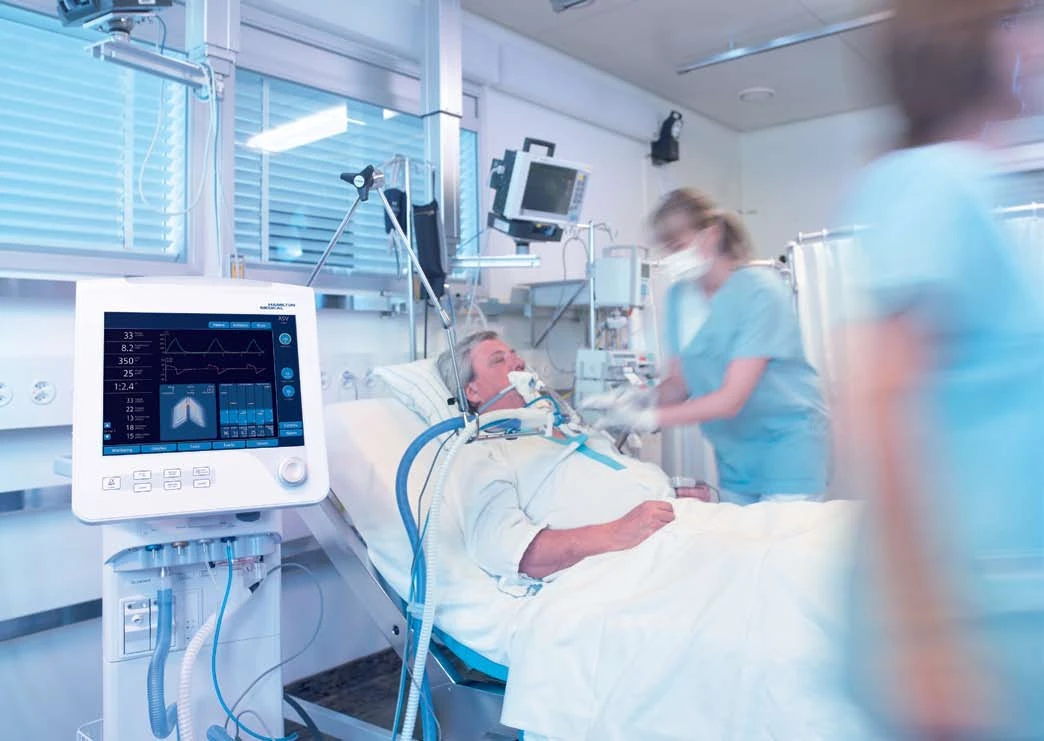
Product design and interface design in intensive care
The team carried out field research in intensive care units in Germany, the United States and Italy. Interviews and observation considered the needs of patients and relatives, as well as nurses, therapists, physicians and support staff, to inform the physical product and its interface.
The research considered more than the person operating the ventilator. Patients, relatives and clinical staff encounter the same equipment from different positions. Their needs therefore formed part of the brief for both the physical device and its interface.
For nurses, therapists and physicians, the relationship between information and the equipment matters in daily work. Support staff bring another perspective on the physical object. Interviews and observation gave the team a basis for understanding those differences rather than treating the interface as an isolated screen.
Ti’s contribution at Design Continuum combined that research with physical and interface development. The case shows how field studies can inform a medical device as a whole: its form, the information it presents and the people who interact with it.
This wider perspective matters when several professional groups encounter the same device. It also keeps patients and relatives within the design brief, alongside the people operating the equipment.
Product design credit
Ti el Attar — research, physical and interface development at Design Continuum for Hamilton Medical.
Reference
Related expertise
Understanding different stakeholders helps define a clear brief for product and interface design.